How to Choose a High Efficiency Gear Motor?

Time:2026-09-28 Author:Charlotte
0%

Choosing a High Efficiency Gear Motor starts with the job it must perform, not with an efficiency figure alone. A conveyor moving cartons at a steady pace has different needs from a mixer that starts under a heavy load. Output speed, required torque, operating hours, and available space all shape the right choice. Small details matter. A shaft that is slightly misaligned or a gearbox ratio that is poorly matched can affect performance, heat, and service life.

This guide explains how to compare motor types, gear ratios, load conditions, and control options. It also shows why the motor’s rated efficiency should be considered alongside its full operating range. Check manufacturer performance curves, allowable torque, thermal limits, and duty-cycle ratings; a headline specification cannot tell the whole story. Measure before ordering. Real installations can differ from calculations, especially when loads change during operation. That is worth admitting. A sizing estimate may miss a brief startup surge or an unusually warm enclosure, so verify assumptions against the actual application and the supplier’s documentation. The aim is not to choose the most powerful unit, but one that meets the required performance without unnecessary energy use or oversizing. With careful checks, buyers can make a practical, well-supported decision—and know which details still need confirmation.
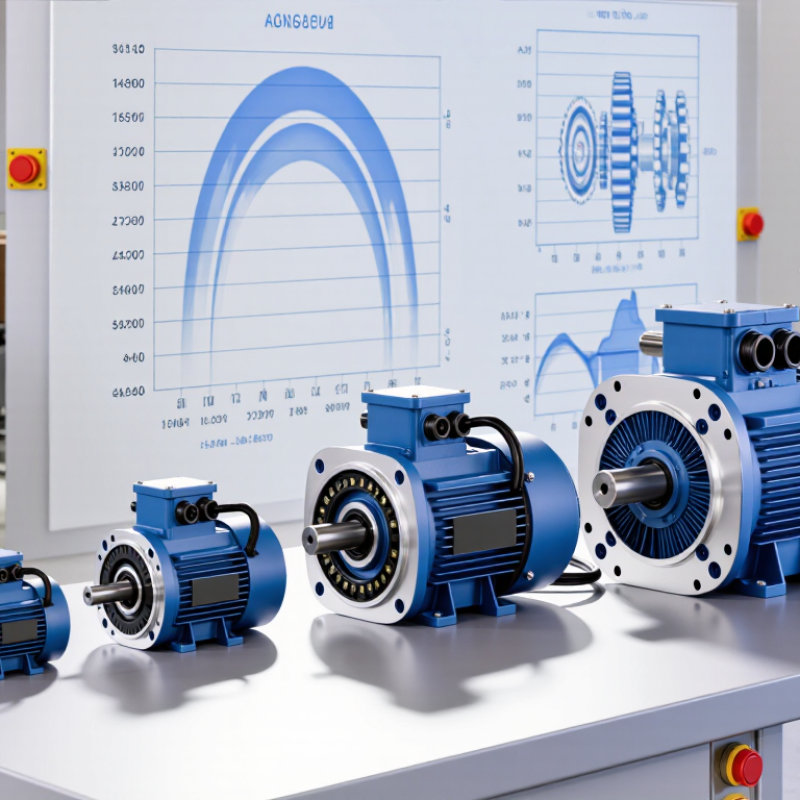
How to Choose a High Efficiency Gear Motor?

Define the Application Requirements and Operating Conditions

How to Choose a High Efficiency Gear Motor?

Define the Application Requirements and Operating Conditions

Start with the load at the output shaft, not just the motor’s rated power. Specify required torque, speed, acceleration, and the number of starts per hour. A conveyor carrying wet grain needs different protection and starting torque from a small packaging roller. Record the duty cycle, ambient temperature, mounting position, and available voltage. These details shape motor size, gearbox ratio, and enclosure choice.

The International Energy Agency’s 2011 report, Energy-Efficiency Policy Opportunities for Electric Motor-Driven Systems, estimates that these systems consume about 46% of global electricity. That scale makes efficient selection worthwhile, but efficiency depends on the actual operating point. A motor that runs mostly below its intended load may not deliver the expected savings. Check the full-load and part-load performance data, then confirm that the gearbox can handle peak loads and repeated starts. Field conditions are messy. Recheck assumptions against measured load if possible.

Tip: Keep a simple duty log. Note operating hours, load changes, starts, and unusual heat. Share it with the supplier before choosing a ratio or service factor; even a few days of observations can reveal a sizing mismatch.

Compare Gear Motor Types and Efficiency Ratings

Choosing a high-efficiency gear motor starts with comparing how each gear type handles your load. Helical gear motors typically offer smooth, quiet operation and strong efficiency for continuous duty. Worm gear motors can provide compact right-angle drives and high reduction in one stage, but sliding contact often creates more heat. Planetary designs deliver high torque in a small package, though their efficiency depends on the number of stages and build quality. Bevel gear motors suit right-angle layouts where efficient power transfer matters. No type wins in every application.

Efficiency ratings need context. Check whether the stated figure applies at your actual speed, torque, voltage, and operating temperature. A motor rated highly at full load may perform less efficiently when it runs lightly loaded for most of the day. Numbers can mislead. Review the test conditions, gearbox ratio, duty cycle, and lubrication requirements before comparing datasheets. For example, a conveyor running steadily may favor a helical unit, while a tight machine layout may justify a planetary drive. Measure the available space and expected load, then compare input power with useful output power. A small difference on paper may matter less than heat, noise, or maintenance in daily use. The best choice is sometimes less obvious than the rating suggests.

How to Choose a High-Efficiency Gear Motor?

Compare typical efficiency ranges by gear type. Actual efficiency depends on gear ratio, load, lubrication, and motor operating conditions.

Quick takeaway: Helical, bevel, spur, and planetary gear motors commonly achieve high efficiency. Worm gear efficiency varies more widely and tends to decrease at higher reduction ratios.

Match Torque, Speed, Power, and Gear Ratio

Choosing a high-efficiency gear motor starts with the load, not the catalog rating. Estimate the torque needed to start, accelerate, and keep the machine moving. A conveyor carrying boxes may need a brief torque surge when it starts fully loaded. Include friction and a suitable margin, but avoid oversized motors that waste energy at light loads. Small details matter. The required output speed then sets the gear ratio: a slower shaft generally provides more torque, while the gearbox also introduces losses.

Check the motor’s rated power against the mechanical demand. For output torque in newton-metres and speed in revolutions per minute, power in kilowatts is approximately torque × speed ÷ 9,550. For example, 40 Nm at 30 rpm requires about 0.13 kW at the output. The motor must supply more input power because the gearbox is not perfectly efficient. Check its efficiency at your actual operating point, along with duty cycle, heat, and starting frequency. In practice, load readings can be messy; a quick estimate may miss a jam or uneven feed. Recheck the figures under real operating conditions before settling on a ratio.

How to Choose a High Efficiency Gear Motor? - Match Torque, Speed, Power, and Gear Ratio

Illustrative gear motor sizing examples using a 1,450 rpm motor speed. Values are estimates for preliminary selection.
Application Required Output Torque Design Service Factor Design Torque Output Speed Approx. Gear Ratio Gearbox Efficiency Estimated Motor Power Illustrative Motor Rating
Light-duty conveyor 40 N·m 1.30 52 N·m 60 rpm 24.2:1 90% 0.36 kW 0.55 kW
Batch mixer 120 N·m 1.50 180 N·m 30 rpm 48.3:1 88% 0.64 kW 0.75 kW
Intermittent lifting mechanism 250 N·m 2.00 500 N·m 15 rpm 96.7:1 82% 0.96 kW 1.10 kW
Indexing table 8 N·m 1.25 10 N·m 300 rpm 4.8:1 94% 0.33 kW 0.55 kW

Sizing basis: output power (kW) ≈ torque (N·m) × speed (rpm) ÷ 9,550; estimated motor power accounts for gearbox efficiency and uses design torque. The service factor is an illustrative allowance, not a substitute for checking actual starts per hour, load profile, ambient temperature, gearbox thermal limits, peak torque, and required duty cycle. Lifting applications may also require a suitably rated brake and independent safety measures.

Assess Mounting, Environment, and Control Compatibility

A high-efficiency gear motor must fit the machine around it, not just meet a power rating. Check whether the frame needs foot, flange, or face mounting, and confirm the shaft position and rotation direction. Leave room for wiring, inspection, and eventual replacement. A tight installation can look neat but make routine service awkward. Small clearances matter.

Assess the operating environment before selecting the enclosure and materials. Dust, humidity, washdown, ambient heat, and vibration can affect seals, bearings, and lubricant life. Match the motor’s ingress protection rating to the actual exposure, not an optimistic estimate. For hot or cold sites, check the manufacturer’s temperature limits and any required output derating. Conditions change.

Control compatibility deserves the same attention. Confirm supply voltage, phase, frequency, starting method, and expected speed range. If a variable-frequency drive is used, verify that the motor supports the drive’s output and operating profile. Encoder feedback, holding brakes, and frequent starts may also shape the choice. Compare the motor’s torque curve with the machine’s real load, including startup peaks. A spreadsheet helps, but it can hide assumptions; measure the load where possible and review the installation details with a qualified engineer.

Evaluate Energy Use, Maintenance, and Service Life

A high-efficiency gear motor should be judged at its real operating point, not by its best-case efficiency figure. Match the motor’s rated output to the machine’s torque, speed, and duty cycle. Then compare expected energy use across a typical shift. A simple power meter can reveal whether the motor runs lightly loaded or repeatedly starts under heavy demand. Small details matter.

Maintenance needs belong in the comparison, too. Check how easily staff can inspect seals, reach grease points, and verify lubricant levels. Dust near a conveyor, for example, may shorten lubricant life and raise operating temperature. Record vibration and casing temperature during routine checks; gradual changes can signal wear before an unexpected stoppage. A tidy maintenance schedule helps, but it cannot replace inspection.

Service life depends on load, alignment, cooling, and the number of starts—not just the motor’s stated rating. Avoid choosing a unit far larger than the application requires, since poor matching may waste energy and increase mechanical stress. Ask suppliers for life estimates under your actual conditions, including shock loads and operating hours. Estimates are not guarantees. Review them against site measurements, and be ready to revise assumptions when real performance differs.

FAQS

What information should I gather before choosing a gear motor?

Record output torque, speed, acceleration, starts per hour, and duty cycle. Note voltage, mounting position, and ambient temperature. A short duty log helps.

Why does the output load matter more than rated power alone?

The load determines the torque and gearbox ratio the machine needs. A motor that runs far below its intended load may not save energy as expected.

How can I check whether the motor handles repeated starts?

Compare its starting torque and peak-load capacity with the machine’s needs. Record how often it starts. Real measurements can expose a sizing mismatch.

Which mounting details should I confirm?

Check foot, flange, or face mounting, plus shaft position and rotation direction. Leave room for wiring and inspection. Tight spaces complicate service.

How does the operating environment affect motor selection?

Dust, humidity, washdown, heat, and vibration can affect seals, bearings, and lubricant life. Match the enclosure rating to actual exposure, not a guess.

What should I check for hot or cold operating sites?

Review the motor’s temperature limits and any required output derating. Conditions change, so site temperatures deserve a second look.

What control details need to match the motor?

Confirm voltage, phase, frequency, starting method, and speed range. With a variable-frequency drive, check that the motor supports its output profile.

Can a spreadsheet confirm the right choice?

It helps compare options, but it can hide assumptions. Measure the load where possible and review installation details with a qualified engineer. A tidy spreadsheet can still be wrong.

Conclusion

Choosing a High Efficiency Gear Motor starts with a clear understanding of the application. Consider the load, duty cycle, operating hours, and conditions such as temperature, dust, or moisture. Then compare suitable gear motor types and their efficiency ratings, keeping in mind that the best choice depends on how the motor will be used rather than on efficiency figures alone.

Next, match the required torque, speed, power, and gear ratio to the equipment’s needs. Check that the mounting arrangement, available space, environment, and control system are compatible. Finally, consider energy consumption over the expected operating life, along with maintenance needs, component durability, and service access. Evaluating these factors together helps identify a motor that performs reliably, uses energy effectively, and suits both current requirements and long-term operation.

Charlotte

Charlotte

Charlotte is a seasoned marketing professional with a deep understanding of the company's portfolio and a passion for elevating its presence in the market. With a keen eye for detail and a commitment to excellence, she ensures that our professional blog is regularly updated with insightful articles......